
Education Discovering Flight At-Home

Discovering Flight At-Home

Balloon Rockets

Ready for liftoff! In this fun, hands-on activity, you can explore the basic principles of flight and rocketry using just a balloon, string, and a straw. By inflating the balloon and letting it zoom along the string, young aviators will see Newton’s Third Law of Motion in action — for every action, there’s an equal and opposite reaction! This simple experiment demonstrates how thrust propels rockets and airplanes forward, sparking curiosity about the science that makes flight possible.

Download PDF

Straw Loop Gliders

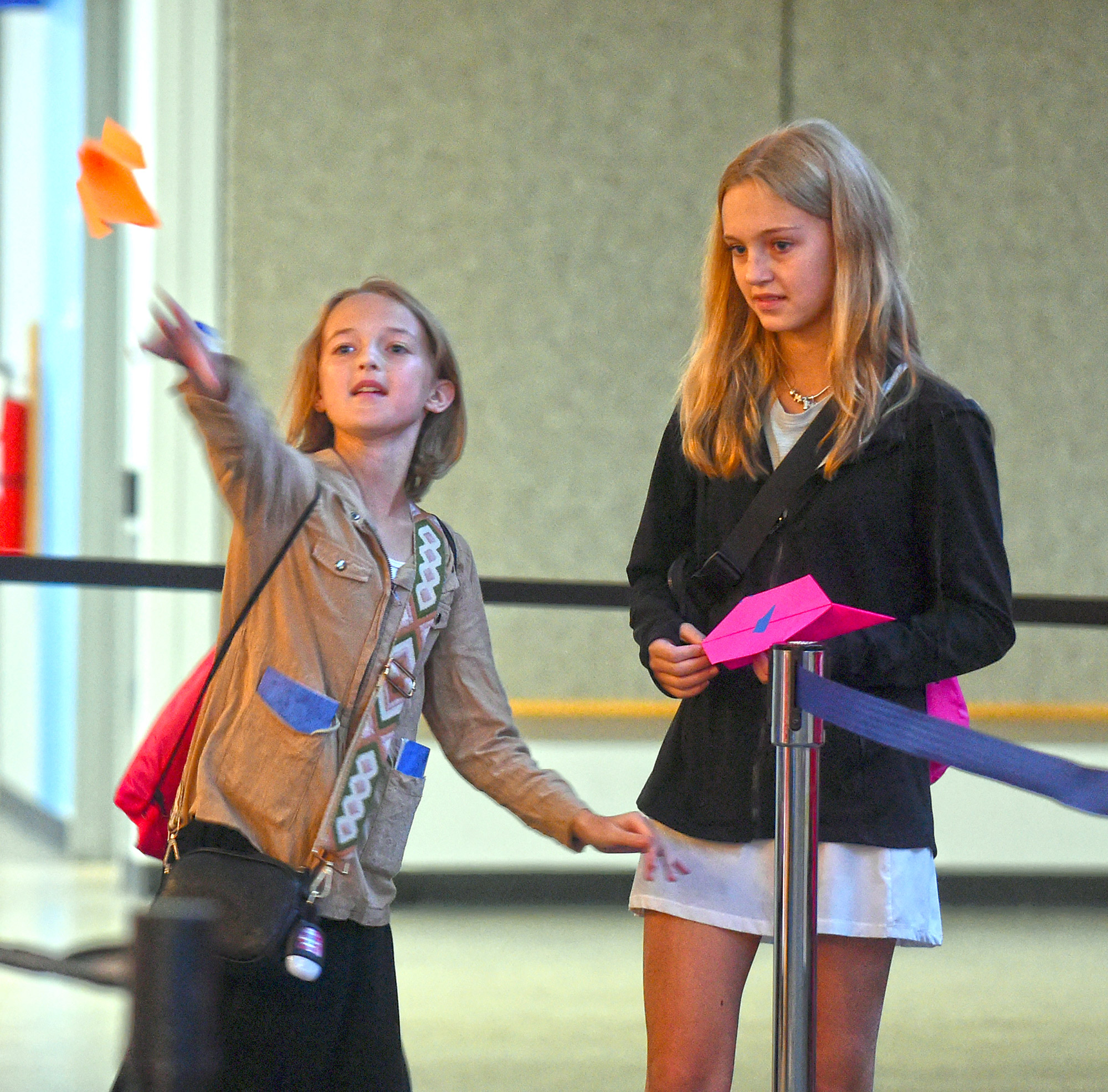
You can take flight with your very own mini glider! In this simple, hands-on activity, you can explore how airplanes stay aloft using just a straw, paper loops, and a bit of tape. By adjusting the size and placement of the loops, young aviators will discover how balance, lift, and drag affect flight. Launch your glider and experiment to see how small changes can make a big difference — just like real pilots and engineers do!

Download PDF

Paper Rockets

3…2…1…blast off! In this exciting, hands-on activity, you can design and launch your own paper rocket using just a straw, paper, and tape. Roll and shape your rocket, add fins for stability, then blow through the straw to send it soaring through the air! As you experiment with different shapes and fin designs, you’ll discover how air pressure and thrust work together to power rockets — just like the real ones that explore our skies and beyond.

Download PDF

Clothespin Airplane

Get ready to build your own mini aircraft! In this creative, hands-on activity, you can turn a simple clothespin and craft sticks into a pint-sized airplane. Decorate your plane, balance the wings, and imagine it soaring through the skies. As you build, you’ll learn how real airplanes rely on lift, balance, and design to stay in the air. It’s a fun way to explore the art and science of aviation — right from your workbench!

Download PDF

Moon Crater Experiment

Explore the surface of the Moon—right here on Earth! In this fun, hands-on activity, you’ll create your own lunar landscape using flour, cocoa powder, and marbles. Drop marbles from different heights and watch as they form craters, just like meteors do when they collide with the Moon’s surface. Young explorers will discover how impact size, speed, and angle shape the Moon’s craters, helping them understand the fascinating forces that have shaped our solar system.

Download PDF

Plastic Parachute

Take to the skies with your very own homemade parachute! In this exciting, hands-on activity, you’ll build a parachute from a plastic bag, string, and a small toy passenger. Experiment with different sizes and shapes to see how they affect your parachute’s flight and landing. As you watch it drift gently to the ground, you’ll discover how air resistance slows falling objects — the same principle that keeps real parachutes (and even spacecraft!) landing safely back on Earth.

Download PDF

Galaxy in a Jar

Create your own miniature universe! In this colorful, hands-on activity, you’ll layer cotton, water, glitter, and paint inside a jar to make a swirling galaxy you can hold in your hand. As you mix and design your cosmic masterpiece, you’ll learn about the stars, dust, and gases that make up real galaxies in space. It’s a fun and creative way to explore the wonders of our universe — one sparkling layer at a time!

Download PDF

Build a Real Robo-Arm

Step into the world of engineering and robotics! In this hands-on activity, you’ll build a simple robotic arm using everyday materials like cardboard, straws, and strings. As you assemble and operate your arm, you’ll discover how levers, pulleys, and hydraulics work together to lift, grab, and move objects — just like real robotic arms in factories and space missions. It’s a fun, interactive way to explore the mechanics and science behind machines that extend human ability.

Download PDF

Flashlight Constellations

You can bring the night sky indoors! In this hands-on activity, you’ll use a flashlight and cut-out constellation patterns to project stars onto walls or ceilings. As you explore different shapes and designs, you’ll learn how ancient astronomers identified constellations and used them to navigate the Earth. This fun, interactive activity helps young stargazers understand the patterns of the night sky and sparks curiosity about the wonders of astronomy.

Download PDF